What Is a Divot Stomp? Polo's Halftime Chore That Became the Main Event
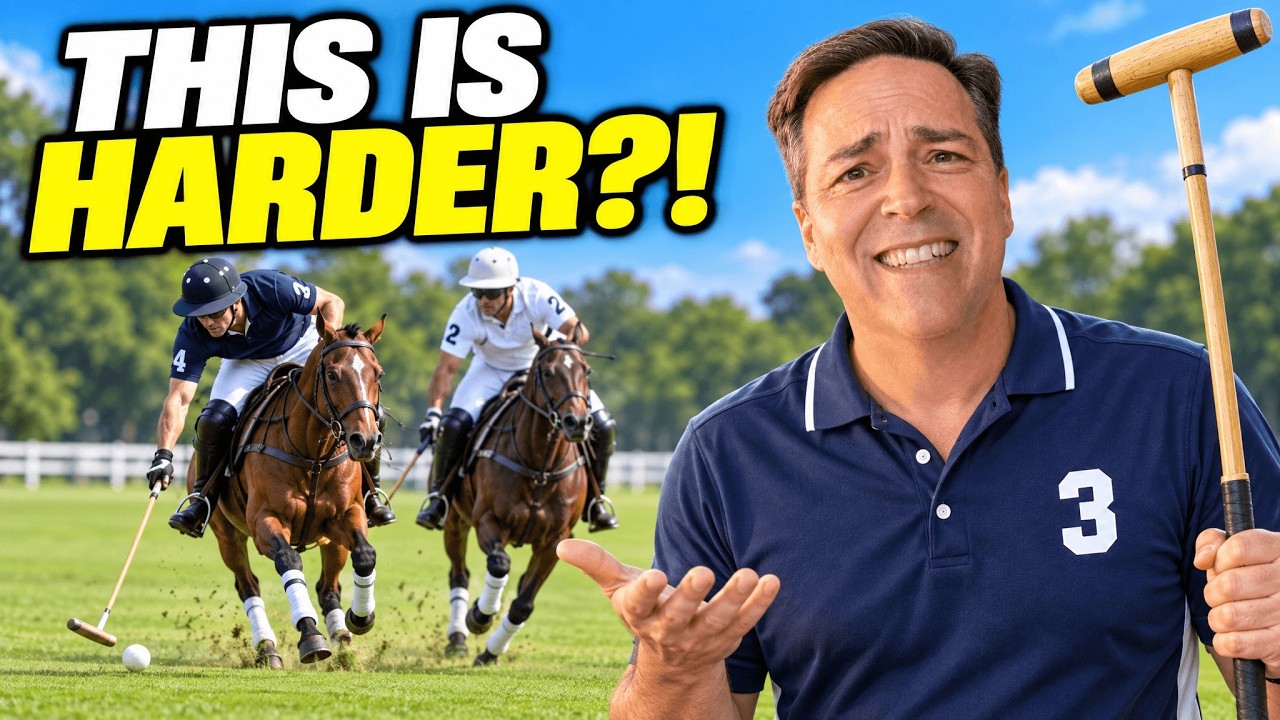
Pete's dress code for a polo match is a nice outfit and bad shoes, and the shoes are for halftime. That's when the whole crowd walks onto the field for the divot stomp. So what is a divot stomp? It's the halftime tradition where spectators leave the stands and press the clumps of turf torn up by the horses' hooves back into the ground, so the field is smooth again for the second half. Everyone helps, including the people holding champagne.
What Is a Divot Stomp, Exactly?
A divot stomp is a polo tradition in which spectators walk onto the field at halftime and stamp loose chunks of turf, called divots, back into place to repair the playing surface.
In Britain it's usually called treading-in. It's among the oldest customs in the sport, and nobody knows exactly where it began. Clubs that write about it say plainly that its origins are unclear. The most common guess is that it started on soft English fields, where galloping horses did the most damage. Divot stomp is a nickname rather than a rule, and nothing in the rulebook requires it. It survives because it's useful and because people enjoy it.
Somebody Has to Fix Nine Football Fields
The chore part is real. A regulation polo field is 300 yards long and 160 yards wide. Pete helpfully points out that's about nine American football fields. Eight horses galloping and turning hard across that much grass for seven-minute chukkas tear up a lot of turf.
Polo clubs give two practical reasons for putting it back. Holes and loose clumps can trip a horse at full speed, and a smooth field lets the ball roll farther and straighter. A grounds crew could do the job, but a few hundred spectators do it faster. The Museum of Polo adds a third reason worth keeping: walking the field is the easiest way to understand how big it is. From the stands, it's hard to picture how much ground each horse covers.
Nice Outfit, Bad Shoes
What makes the divot stomp famous is the crowd doing it. Pete's claim is that in the United States "it's actually become more famous than, like, the sport itself," and that some people go just for the stomp. For a lot of first-time spectators, that's accurate. They come to dress up, stroll the field, and meet people, and the polo happens around them.
That's why Pete's shoe advice matters. He compares it to the Kentucky Derby, where the big hat and the mint julep are as much the point as the race. At polo the equivalent is a sundress or blazer worn with shoes you don't mind getting dirty. Heels sink into the turf. At a lot of clubs the halftime walk also comes with a glass of champagne, which explains why it's less of a chore than it sounds.
Once the crowd heads back to the sidelines, play resumes right away. The players bring out fresh horses from their strings and the second half starts.
The Pretty Woman Effect
Pete's reference point is The Crown and the British royals in general. For most Americans, though, the divot stomp comes from one scene. In Pretty Woman (1990), Julia Roberts's Vivian goes to a polo match with Richard Gere's Edward, wearing a polka-dot dress, a straw hat, and white gloves, an outfit fashion brands are still copying more than thirty years later. The match was filmed at the Los Angeles Equestrian Center, and in it Vivian goes out and stomps divots.
The scene works because it fits the whole movie. Vivian is an outsider trying to pass in a rich crowd, and the divot stomp is the one thing at a polo match that anyone can do right on the first try. You don't need to understand handicaps, own a horse, or know what a chukka is. You just walk out and step down.
The One Time the Gate Opens
The divot stomp says something about the whole sport. The episode's argument is that polo stayed exclusive on purpose. Playing takes land, horses, daylight free for practice, and clubs that screen people by the price of entry. As Pete puts it, "the exclusivity was always the product."
For about ten minutes at halftime, that changes and everyone is allowed onto the grass. The one part of polo open to everyone, though, is the groundskeeping. It's a generous tradition and a funny one at once. The crowd gets on the field and does the upkeep, and then the players ride back on.
The divot stomp is still the easiest way into polo. If you want to feel what Amanda and Pete describe from the Santa Barbara polo grounds, which is the hooves you "feel in your chest," you should be standing on the field when the players ride back out.
---
Episode 122 of Sorta Sophisticated, "The Sport So Exclusive It Made Its Own Rules," started when Pete heard a polo match from a wedding in Santa Barbara and realized he couldn't answer a single question about it. It also covers why "the sport of kings" is a literal description, since the game started as cavalry training in ancient Persia. And it explains the handicap system, where a stronger team can start a match already losing 2-0.
Hear the full episode here 👇 The Sport So Exclusive It Made Its Own Rules (Episode 122)
