The Oldest Lesson Some Societies Forget: Who Really Owns the Earth?
A bigger question than Earth Day
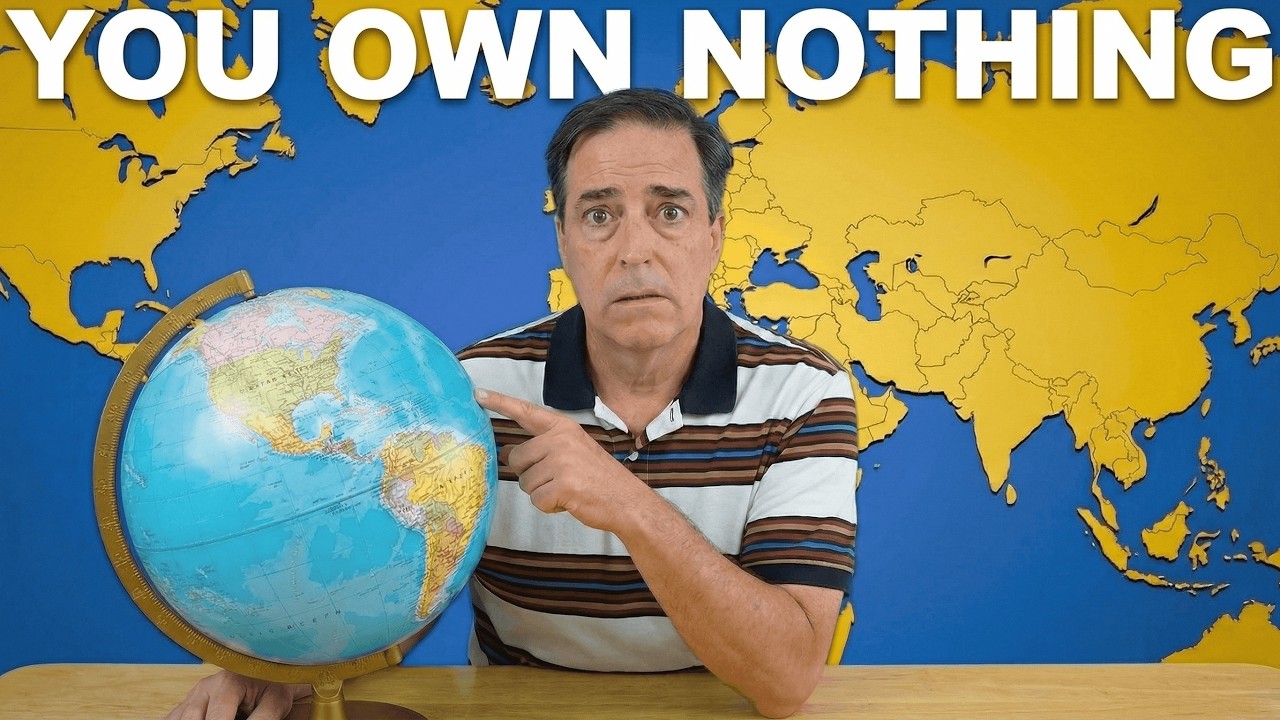
Pete started this episode with a question that sounds simple until you sit with it: who owns the Earth? Depending on who you ask, the answer changes completely. A person of faith might say God. An American might instinctively say we do, we buy land, we hold the deed, it’s ours. But indigenous cultures, Pete points out, never really thought they owned the land at all. They thought they were in a relationship with it.
That gap, owning versus belonging, turned out to be the whole episode.
Word of the week: effulgent
Effulgent means shining brightly, radiant, brilliant, the way stars shine, or a bride at a wedding. It comes from a Latin root meaning “to shine forth.” (Amanda also lobbied to redefine it as a synonym for a stubborn waistline. The motion did not pass.)
How the modern environmental movement actually started
Most historians trace the modern environmental movement to a single 1962 book: Silent Spring by Rachel Carson, a marine biologist who spent years studying the pesticide DDT. She showed how it moved up the food chain, killing insects, poisoning fish, and devastating bird populations, and argued that humans couldn’t keep doing whatever they wanted without the natural world pushing back. She was mocked, called a nut case, told to go home. Then CBS put her on television in 1963, President Kennedy ordered an investigation, and the conversation changed almost overnight. Carson died in 1964, but the movement she sparked kept going.
The real catalyst for Earth Day came shortly after, when a massive oil spill off the coast of Santa Barbara stained California’s beaches and killed wildlife. Wisconsin Senator Gaylord Nelson organized a nationwide “teach-in,” and on April 22, 1970, roughly 20 million Americans turned out across the country, the largest political demonstration in U.S. history up to that point, organized entirely without the internet. Within seven months, the EPA existed. Within a decade came the Clean Air Act, the Clean Water Act, and the Endangered Species Act.
The lesson that was sitting there the whole time
Here’s where the episode turns. The Western world treats land as property, something you own, with mineral rights and fences and a deed. Indigenous communities treated it as something you’re responsible to. Same planet, completely different operating system.
Consider the Haudenosaunee (Iroquois) Confederacy, one of the oldest democracies on Earth and an influence on the U.S. Constitution. They followed something called the Seventh Generation Principle: every important decision should weigh its impact seven generations, roughly 150 years, into the future. And it runs backward too, asking you to honor what the seven generations before you sacrificed. That’s a 300-year span of consideration baked into a single choice.
Now compare that to how the modern Western world plans. We don’t think in 150 years. We think in 150 days. We think in quarterly earnings and annual returns. The entire frame is micro.
The same wisdom shows up everywhere indigenous cultures do. The Māori concept of kaitiakitanga translates roughly to guardianship of the natural world, humans aren’t above nature, just one small part of it. Aboriginal Australians practiced cultural burning, low-intensity fires that kept ecosystems healthy. And here’s the wild part: after Australia’s catastrophic bushfires, scientists found that areas once managed by traditional Aboriginal burning suffered far less damage and retained more biodiversity, even though that burning had been banned for years. There’s even an academic name for relearning all of this: Traditional Ecological Knowledge, or TEK. Which is a very official way of saying, as Pete put it, you probably should have been listening the whole time.
From talk to conviction
The most honest thread in the episode is Pete and Amanda catching themselves. It’s easy to admire the Seventh Generation Principle and then drive home in a gas car to a single-family house, fully inside the system you’re critiquing. The point they land on isn’t guilt, it’s a shift in posture. The difference between managing the land and being thankful for it. Between “we recycle because it’s regulated” and “we care about this because it’s ours to steward.”
Amanda’s challenge to Pete: stop treating it as a political talking point and make it part of your actual DNA. His response: add an environmental goal to the personal, physical, mental, and spiritual goals he already sets each year, and frame it around relationship, not management. Not a grand plan to save the planet. One real step in the right direction.
Fun facts to sound sorta sophisticated
April 22 wasn’t random. Senator Nelson reverse-engineered the date to fall between spring break and college final exams, so students, the generation he most wanted to reach, would be on campus and available.
In 1963, there were only 417 breeding pairs of bald eagles left in the entire United States. Today, thanks in large part to the awareness Silent Spring created, there are over 10,000.
A 2021 Yale study found that Indigenous peoples in North America lost roughly 99% of their historical land, and the fraction they were pushed onto tends to have fewer natural resources and more exposure to climate change. The people with the longest track record of caring for the land were handed the land least worth taking.
Today, Indigenous peoples make up about 5% of the global population but manage roughly 25% of the world’s land, and the biodiversity on those territories is measurably healthier than on land managed by Western science alone.
The takeaway
The oldest lesson some societies forget isn’t really about the environment. It’s about responsibility, the quiet truth that the world you inherited came at a cost, and the world you leave behind will matter most to someone you’ll never meet. The most sophisticated thing you can do might just be to ask whose wisdom you’ve been ignoring.
Watch here:
Hear the full conversation, including the philosophy, the history, and Amanda talking Pete into actually changing his ways, on this episode of Sorta Sophisticated. If you know someone who rolls their eyes at Earth Day, share it. They might start paying attention.
